
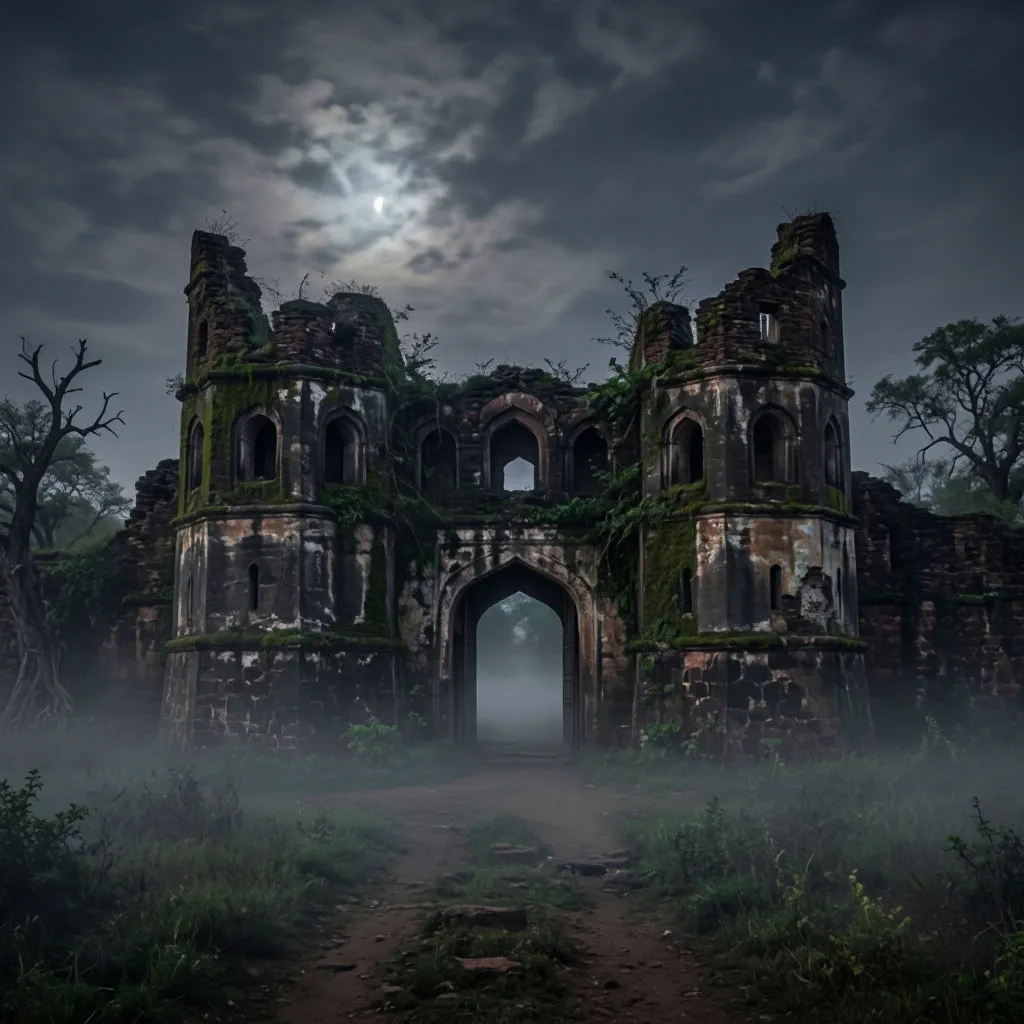
Nestled at the edge of the Sariska Tiger Reserve in Alwar district, the sprawling ruins of Bhangarh Fort present a striking contrast of architectural beauty and eerie isolation. Built in the late sixteenth century by Raja Madho Singh, this once-thriving medieval town now stands completely abandoned, its grand stone temples and multi-story palaces slowly being reclaimed by nature. While Rajasthan is celebrated worldwide for its majestic palaces and vibrant culture, this particular site holds a far more chilling reputation. It is widely regarded as the most infamous of all haunted places in Rajasthan, attracting both thrill-seekers and history buffs who are eager to separate local folklore from historical reality.
The legendary curse of Singhia
At the heart of the Bhangarh Fort mystery lies an ancient tale of unrequited love, dark magic, and a devastating curse that supposedly sealed the fate of the city. According to local folklore, the exceptionally beautiful Princess Ratnavati, the daughter of the king, was coveted by a local occultist named Singhia who was a master of black magic. Knowing he could never marry her through traditional means, the sorcerer attempted to enchant a cosmetic oil intended for the princess using a powerful love spell. However, Ratnavati saw through his deception and threw the bottle onto a large boulder, which immediately rolled down the hill and crushed the magician. As he drew his last breath, the dying sorcerer cursed the entire fort, declaring that every living inhabitant would die a sudden death and their souls would remain trapped within the ruins for eternity without reincarnation.
The government intervention: understanding the Archaeological Survey of India Bhangarh rule
While local legends keep the folklore alive, the modern administrative reality of the site adds an official layer of intrigue to the rumors. Unlike other historical monuments managed by the state, this ancient fort is governed by a strict and unusual mandate that actively discourages nocturnal exploration. The Archaeological Survey of India Bhangarh rule formally bans anyone from entering or remaining within the fort premises between sunset and sunrise. This legal restriction is announced on a prominent yellow signboard put up by the government just outside the main gateway, warning of legal action against trespassers.
To understand the gravity of these nighttime restrictions, visitors should familiarize themselves with the specific protocols implemented by the local authorities at the site. These operational guidelines are strictly enforced by local guards to protect public safety and prevent accidents in the pitch-black ruins.
- Clear the premises: security guards patrol the inner structures and temples starting at four in the afternoon to ensure all tourists move toward the exit.
- Lock the main gates: the heavy iron gates of the outer fortification are physically locked immediately after the sun drops below the Aravali hills.
- Restrict local movement: residents of the neighboring Bhangarh village avoid grazing their cattle near the ruins after dark, keeping a safe distance from the perimeter.
- Patrol the perimeter: local police units sometimes monitor the nearby roads to deter vloggers and trespassers attempting to scale the broken stone walls at midnight.
These strict measures are highly unusual for a protected historical monument, fueling further speculation about what truly happens behind the locked gates after dark. While the government maintains that the ban is a practical safety measure to protect people from wild animals and structural collapses, the absolute enforcement of the curfew keeps the legendary Bhangarh Fort story at night alive in the minds of the public.
Separating supernatural stories from daylight reality
Visiting the fort during the daytime reveals a completely different atmosphere, where families, photographers, and history enthusiasts wander freely among the ancient ruins. The contrast between the lively daytime tourism and the frightening rumors of the night creates an intriguing paradox for anyone trying to analyze the site objectively. Examining the differences between the daytime observations and the nighttime legends helps clarify why this monument continues to fascinate the public.
| Aspect of the fort | Daytime tourist experience | Nighttime local legends |
|---|---|---|
| Atmospheric condition | bright sunlight, chirping birds, and playful monkeys near the temple steps | pitch-black darkness, eerie silences, and howling winds through empty stone chambers |
| Structural safety | clear paths through the royal palace ruins and well-maintained ancient temples | dangerous drops, loose stones, and hidden wells that present severe physical hazards |
| Wildlife presence | common gray langurs and peacocks roaming the green lawns near the entrance | nocturnal predators like panthers and wild boars emerging from the adjacent Sariska forest |
| Human presence | bustling crowds of tourists, local guides, and government security personnel | absolute isolation with no active guards or emergency services available inside |
By comparing these two realities, it becomes obvious that the daytime environment is perfectly safe, tourist-friendly, and culturally enriching. The fearsome reputation of the fort only truly takes over once the sun sets, when the lack of artificial lighting and the proximity to the wild jungle transform the ancient ruins into a highly disorienting and potentially dangerous environment.
Paranormal encounters and rational explanations
Despite the scientific skepticism surrounding ghosts, many travelers and paranormal researchers continue to share stories of unusual sensations experienced near the ruins. Visitors often describe a sudden drop in temperature when walking through the roofless bazaar area or an overwhelming feeling of being watched by unseen entities. Skeptical scientists and rationalists, however, offer logical explanations for these phenomena, pointing out that the psychological expectation of fear plays a major role in how people perceive their surroundings.
When examining the various claims of supernatural activity, it is helpful to categorize the most common reports alongside their natural, logical explanations. By analyzing these occurrences objectively, we can appreciate both the romantic appeal of the ghost stories and the simple truths of physics.
- Mysterious whispers: tourists report hearing faint voices in the empty corridors, which scientists attribute to wind tunneling through the narrow stone passages.
- Unexplained shadows: reports of fleeting figures are often linked to the movement of nocturnal bats or wild animals roosting in the dark corners of the temples.
- Feelings of heavy energy: the sensation of chest tightness or anxiety is frequently caused by the high levels of humidity and bat droppings, which can affect breathing in enclosed spaces.
- Camera malfunctions: electronics draining quickly is a common occurrence in areas with poor cellular signal search and extreme temperature drops.
Understanding these rational explanations does not diminish the mysterious allure of the ancient ruins. Whether you choose to believe in the legendary curse of the wizard or prefer to view the site as a remarkable example of seventeenth-century urban planning, the fort remains a captivating destination. The deep-seated legends and the protective rules of the government ensure that this abandoned city will preserve its secrets for generations to come.