
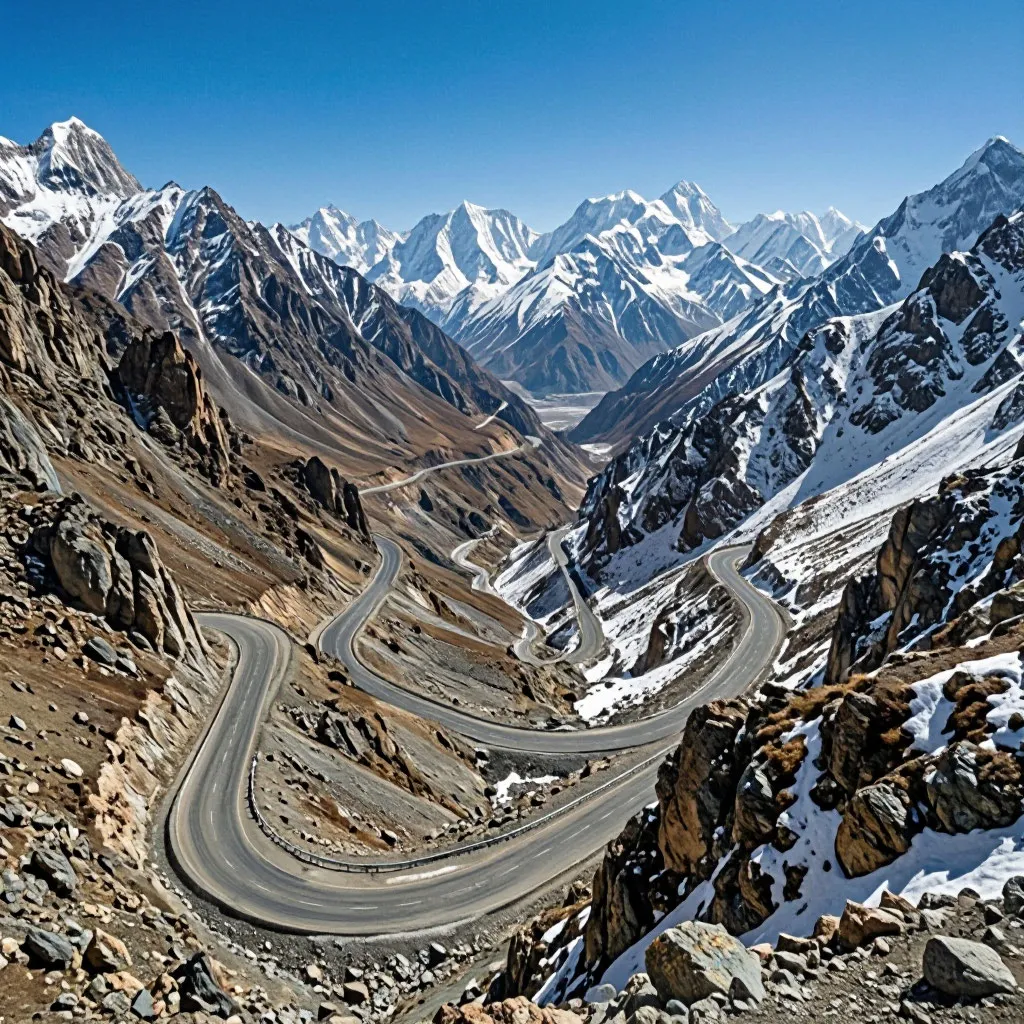
The air grows thin and cold as the lush pine forests of Himachal Pradesh dissolve into a surreal, windswept canvas of towering clay formations and deep, ancient gorges. This is the Middle Land, a high-altitude desert perched between India and Tibet where time seems to slow down. For adventurers seeking raw, untouched landscapes, embarking on a Spiti Valley road trip is the ultimate pilgrimage of self-discovery and resilience. Moving through this rugged terrain requires careful preparation, a respect for nature, and a clear understanding of the challenges that lie ahead.
Choosing your Delhi to Spiti Valley route
Reaching this remote Himalayan paradise requires choosing between two legendary pathways, each offering a completely different adventure. The most popular choice for travelers starting in the capital is the comprehensive Delhi to Spiti Valley route, which can be completed as a full loop or a direct point-to-point journey.
The first option goes through Shimla and enters the valley via Kinnaur. This path is widely considered the safest approach because the ascent is incredibly gradual. You start from the plains, wind through the Apple orchards of Shimla, and trace the path of the Sutlej River. Because of the slow rise in elevation, your body adapts naturally to the thin air, reducing the risk of altitude-related health issues. Additionally, this route remains open almost all year round, except during periods of exceptionally heavy winter landslides.
On the other hand, the route via Manali is shorter but much more intense. This path takes you through the Atal Tunnel or over the Rohtang Pass, leading directly into the barren Lahaul Valley before crossing the formidable Kunzum Pass. While this journey can save you several days of travel, the sudden jump in altitude can be a shock to your system. Moreover, this road is highly seasonal and typically remains open only from June to October, as heavy snowfall blocks the high passes for the rest of the year.
Pinpointing the best time to visit Spiti
Timing is everything when planning a journey to a region that is cut off from the world for half the year. The best time to visit Spiti depends entirely on the kind of experience you are searching for and your tolerance for extreme weather.
For the vast majority of travelers, the summer months from June to September represent the ideal window. During this season, the snow on the high passes melts, opening both the Shimla and Manali routes to regular traffic. The daytime temperatures are pleasantly cool, and the roads, though still challenging, are at their most navigable. This is also the period when local culture comes alive with vibrant monastic festivals.
However, if you are an extreme adventurer seeking the mystical appeal of the “White Spiti,” the winter months from December to March offer a starkly beautiful landscape. During this time, temperatures easily drop below minus twenty degrees Celsius, freezing the rivers and blanketing the entire valley in thick snow. Traveling in winter requires immense physical preparation, as public transport is non-existent, homestays have no running water, and only the Shimla route offers sporadic access.
Preparing for the altitude: acclimatization and safety
Traveling to elevations above 3,000 meters requires careful physical preparation because your body needs time to adapt to lower oxygen levels. Neglecting these precautions can lead to acute mountain sickness, which quickly turns an exciting adventure into a medical emergency. To ensure a safe and memorable journey through the high passes, several practical habits should be integrated into your daily travel routine.
- Ascend gradually: spend an extra night at intermediate altitudes like Shimla, Sarahan, or Kalpa before reaching Kaza.
- Hydrate consistently: consume four to five liters of water daily to help your blood carry oxygen more efficiently.
- Avoid alcohol and smoking: these substances dehydrate the body and mask the early warning signs of altitude sickness.
- Carry essential medication: pack preventative remedies such as Diamox after consulting with a physician.
- Listen to your body: rest immediately if you experience persistent headaches, dizziness, or nausea.
By respecting the extreme environment and prioritizing these preventive measures, you allow your body to build stamina naturally. This physiological adaptation ensures that you remain energetic enough to explore ancient monasteries and high-altitude trails without health interruptions.
Budgeting for your Spiti Valley road trip
Planning a Spiti Valley budget trip requires a clear understanding of the costs associated with mountain travel. If you choose to rent a vehicle, motorcycles like the Royal Enfield typically cost between 1,000 and 1,800 INR per day, while renting an SUV can range from 3,500 to 5,000 INR per day. Fortunately, solo travelers can significantly cut down these costs by utilizing the local HRTC buses, which connect all major villages for a fraction of the price of private transport.
Managing expenses in the remote Himalayas is surprisingly straightforward when you plan your daily spending in advance. A solo traveler can easily experience the magic of the cold desert without overspending by choosing local services and communal transport. The following breakdown outlines the typical daily costs you should expect when managing a realistic budget in the region.
| Expense category | Estimated daily cost (INR) | Estimated daily cost (USD) | Saving strategy |
|---|---|---|---|
| Accommodation | 800 – 1,500 | 10 – 18 | Stay in local homestays or hostels |
| Food and water | 500 – 800 | 6 – 10 | Eat local Tibetan dishes like thukpa and momos |
| Transport (public bus) | 200 – 400 | 2.5 – 5 | Use the Himachal Road Transport Corporation buses |
| Fuel (for rented bikes) | 600 – 1,000 | 7 – 12 | Travel at steady speeds and share fuel costs with a partner |
| Permits and entry fees | 100 – 200 | 1.2 – 2.5 | Obtain your Inner Line Permit directly in Shimla or Kaza |
These figures demonstrate that a minimal budget is highly feasible if you prioritize public transport and authentic local living over luxury hotels. By adopting these cost-saving habits, solo travelers can extend their stay and fully immerse themselves in the Himalayan lifestyle without financial stress.
Discovering authentic local homestays
Staying in local homes is the most rewarding way to experience the cultural heart of the valley while keeping your expenses low. These traditional mud-brick dwellings offer unmatched warmth against the freezing night temperatures and provide a window into the daily lives of the warm-hearted Spitian people. Several key villages along the circuit offer outstanding homestay experiences that are highly recommended for travelers seeking authenticity.
- Kaza: the bustling hub of the valley offering comfortable homestays with hot running water and internet access.
- Kibber: one of the highest permanently inhabited villages where you can stay with local wildlife spotters.
- Dhankar: a dramatic cliffside village offering simple homestays near the ancient, fragile monastery ruins.
- Tabo: a peaceful settlement famous for its historic clay monastery where homestays serve traditional organic food.
- Mudh: the picturesque gateway to Pin Valley where local families welcome weary hikers with hot butter tea.
Choosing these family-run accommodations not only reduces your travel costs but also directly supports the local economy in these isolated mountain communities. The conversations shared over a hot, home-cooked dinner will undoubtedly become some of the most cherished memories of your entire journey.
Final preparations for the rugged terrain
As you prepare to set off, remember that traveling through this high-altitude desert requires a flexible mindset. The mountain roads are unpredictable, and scheduled itineraries often face delays due to sudden weather shifts or minor landslides. Carrying physical cash is absolutely essential, as ATMs are rare and internet connectivity is highly unreliable once you pass beyond Rekong Peo.
By packing layers of warm clothing, securing your inner line permits in advance, and choosing to travel slowly, you set yourself up for a safe adventure. This legendary terrain does not just offer breathtaking views: it challenges your limits, broadens your perspectives, and leaves you with a deep appreciation for the quiet resilience of life in the high Himalayas.