
Child marriage has long been one of the most persistent social challenges in India, deeply rooted in economic inequality, cultural traditions, and gender discrimination. Despite decades of legal restrictions and social reforms, millions of girls are still married before reaching adulthood, often losing access to education, healthcare, and personal freedom. In recent years, however, a new wave of resistance has emerged. Grassroots activists, national organizations, digital campaigns, and policy-driven initiatives are reshaping the fight against child marriage, placing the safety, rights, and future opportunities of Indian girls at the center of public debate. This article explores how this renewed movement is transforming attitudes, strengthening legal frameworks, and building a safer future for the next generation.
The Persistent Reality of Child Marriage in India
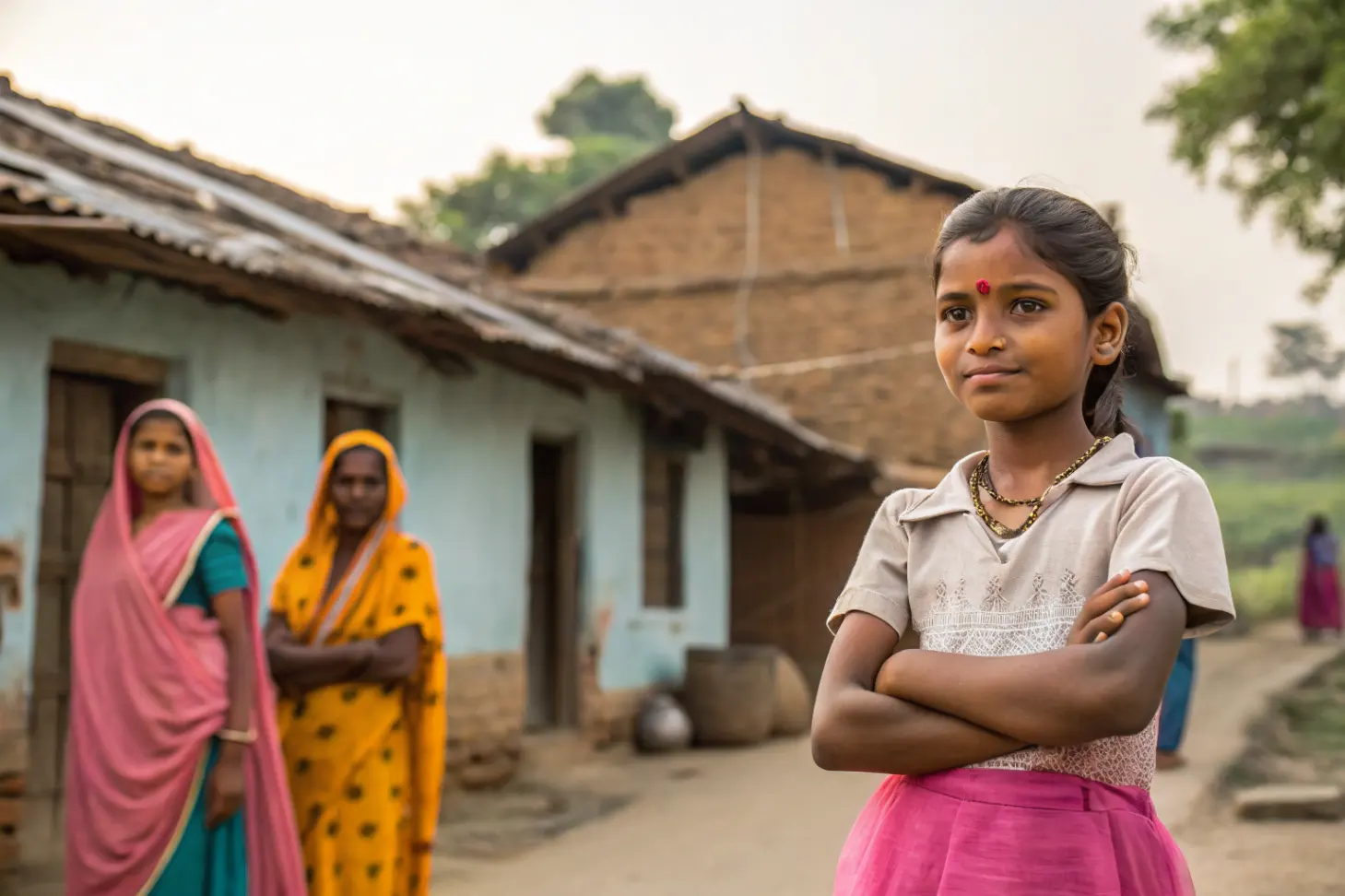
Child marriage in India remains a complex and deeply entrenched issue, even as the country undergoes rapid economic and technological development. While national averages show gradual improvement, regional disparities remain stark. In rural areas and economically marginalized communities, early marriage is often viewed as a practical solution to poverty, social insecurity, or the perceived protection of family honor. For many families, marrying off a daughter early reduces financial responsibility and shields her from risks associated with adolescence, such as harassment or social stigma.
The consequences for girls are profound and long-lasting. Early marriage frequently leads to school dropout, early pregnancy, and limited access to healthcare. Young brides are more vulnerable to domestic violence, maternal mortality, and mental health challenges. These outcomes not only affect individual lives but also hinder broader social and economic development. When girls are denied education and autonomy, entire communities lose potential leaders, professionals, and change-makers.
Despite the existence of laws prohibiting marriage below the age of 18 for girls, enforcement has historically been inconsistent. Social acceptance, lack of awareness, and limited institutional capacity often allow illegal marriages to proceed without consequence. This persistent gap between legislation and lived reality has prompted activists and policymakers to rethink traditional approaches and adopt more comprehensive, community-driven strategies.
Legal Frameworks and Policy Shifts Driving Change
India’s legal stance against child marriage has evolved significantly over the past decades, reflecting growing recognition of the issue as both a human rights violation and a development barrier. The Prohibition of Child Marriage Act (PCMA) established a clear legal minimum age and introduced penalties for those facilitating or conducting underage marriages. More recently, discussions around raising the legal age of marriage for women to 21 have reignited national debate, signaling a stronger policy commitment to gender equality.
The effectiveness of these laws increasingly depends on coordination between legal institutions, local authorities, and civil society. Courts have begun to take a more proactive role, treating child marriage cases with greater urgency and sensitivity. Child protection units, helplines, and district-level task forces are being strengthened to identify and intervene in high-risk situations.
Below is an overview of key legal and policy measures shaping the fight against child marriage in India:
| Policy or Law | Core Objective | Impact on Child Marriage |
|---|---|---|
| Prohibition of Child Marriage Act | Criminalize underage marriage | Legal deterrence and annulment options |
| Child Protection Services | Early identification of at-risk girls | Faster intervention and support |
| Education Incentive Schemes | Keep girls in school longer | Reduced likelihood of early marriage |
| Proposed Age Reform | Raise marriage age to 21 | Align marriage with education and employment |
These measures are most effective when combined with awareness campaigns and community engagement. Legal reforms alone cannot dismantle centuries-old practices, but they provide a critical foundation upon which social change can be built. By reinforcing accountability and offering protection mechanisms, policy shifts are gradually reshaping norms around marriage and adolescence.
Grassroots Movements and Community-Led Campaigns
At the heart of the new wave against child marriage are grassroots movements that operate directly within communities. These initiatives recognize that sustainable change cannot be imposed from the top down; it must be nurtured through dialogue, trust, and local leadership. Community workers, teachers, health professionals, and women’s self-help groups play a crucial role in identifying vulnerable girls and supporting families in making alternative choices.
One of the most powerful tools used by grassroots campaigns is peer influence. When girls see others in their community continuing education or delaying marriage, perceptions begin to shift. Similarly, when parents witness positive outcomes for families that invest in their daughters’ schooling, resistance gradually weakens. These movements often emphasize collective responsibility, framing child marriage not as a private family matter but as a shared social concern.
Key strategies commonly used in community-led campaigns include:
- Awareness sessions that explain the legal, health, and economic risks of child marriage.
- Engagement with religious and traditional leaders to challenge harmful norms.
- Support networks for girls who resist early marriage.
- Counseling services for families facing economic or social pressure.
By embedding these efforts within everyday community life, grassroots campaigns achieve a level of cultural sensitivity and credibility that national messaging alone cannot provide. Over time, these localized successes contribute to broader societal change, demonstrating that tradition and progress do not have to be in conflict.
Education as a Shield Against Early Marriage
Education remains one of the most effective and evidence-backed tools in preventing child marriage. Girls who stay in school longer are significantly less likely to marry early, and they gain the skills, confidence, and aspirations needed to shape their own futures. Recognizing this, many anti-child marriage campaigns place education at the core of their strategy.
Government programs offering free textbooks, uniforms, bicycles, and scholarships have proven particularly impactful in rural areas, where logistical and financial barriers often limit school attendance. Midday meal schemes and residential schools for girls further reduce dropout rates by addressing both nutrition and safety concerns. Beyond formal schooling, life skills education helps girls understand their rights, reproductive health, and personal agency.
Education also influences parental decision-making. Families that perceive tangible economic returns from educating daughters are more likely to delay marriage. As educated women enter the workforce and contribute financially, traditional assumptions about dependency and marriageability begin to erode. This creates a positive feedback loop in which education not only protects individual girls but also transforms long-term community attitudes.
However, challenges remain. Quality of education, access to secondary schools, and safety during travel continue to affect retention rates. Addressing these gaps is essential to ensuring that education fulfills its potential as a protective shield against early marriage.
The Role of Media and Digital Advocacy
In the digital age, media has become a powerful ally in the fight against child marriage. Social media campaigns, documentary storytelling, and survivor-led narratives have brought unprecedented visibility to the issue. By humanizing statistics and sharing real-life experiences, media advocacy challenges complacency and mobilizes public support.
Digital platforms allow activists to reach younger audiences, including adolescents who may be at risk themselves. Online campaigns often combine education with empowerment, encouraging girls to speak out and seek help. Hashtag movements, viral videos, and influencer partnerships amplify messages far beyond traditional outreach methods.
Mainstream media also plays a critical role by holding institutions accountable. Investigative journalism exposes cases of illegal marriages, failures in enforcement, and systemic gaps in protection services. At the same time, positive stories highlighting successful interventions and resilient communities help counter narratives of inevitability.
The growing intersection of technology and activism has transformed how child marriage is discussed, shifting it from a hidden social practice to a widely recognized violation of rights. This visibility is crucial for sustaining political will and ensuring that progress remains a national priority.
Health, Safety, and the Long-Term Impact on Girls
The health implications of child marriage extend far beyond early pregnancy. Young brides often lack access to reproductive healthcare, increasing the risk of complications during childbirth and long-term health issues. Mental health consequences, including depression and anxiety, are frequently overlooked but deeply significant. Isolation, loss of autonomy, and exposure to violence take a heavy psychological toll.
Campaigns for a safer future increasingly adopt a holistic approach, integrating health services with legal and educational support. Adolescent health clinics, counseling services, and safe spaces provide girls with resources to navigate both immediate risks and long-term recovery. This integrated model recognizes that preventing child marriage is not only about stopping ceremonies but about safeguarding overall well-being.
When girls are allowed to grow, learn, and make informed choices, the benefits ripple outward. Healthier women raise healthier families, contribute more effectively to the economy, and participate more actively in civic life. The fight against child marriage is therefore inseparable from broader goals of public health and sustainable development.
Toward a Safer and More Equal Future
The new wave of campaigns against child marriage in India reflects a shift from isolated interventions to coordinated, multi-dimensional action. Legal reforms, grassroots activism, education initiatives, and digital advocacy are increasingly aligned around a shared vision: a future in which every girl can grow up safe, educated, and empowered to decide her own path.
Progress is real but uneven, and setbacks remain possible without sustained commitment. Ending child marriage requires not only laws and programs but also a fundamental transformation of how society values girls. As awareness grows and successful models are replicated, the momentum continues to build.
The campaign for a safer future for Indian girls is ultimately a campaign for human dignity, equality, and opportunity. By investing in girls today, India invests in a stronger, healthier, and more just tomorrow.